
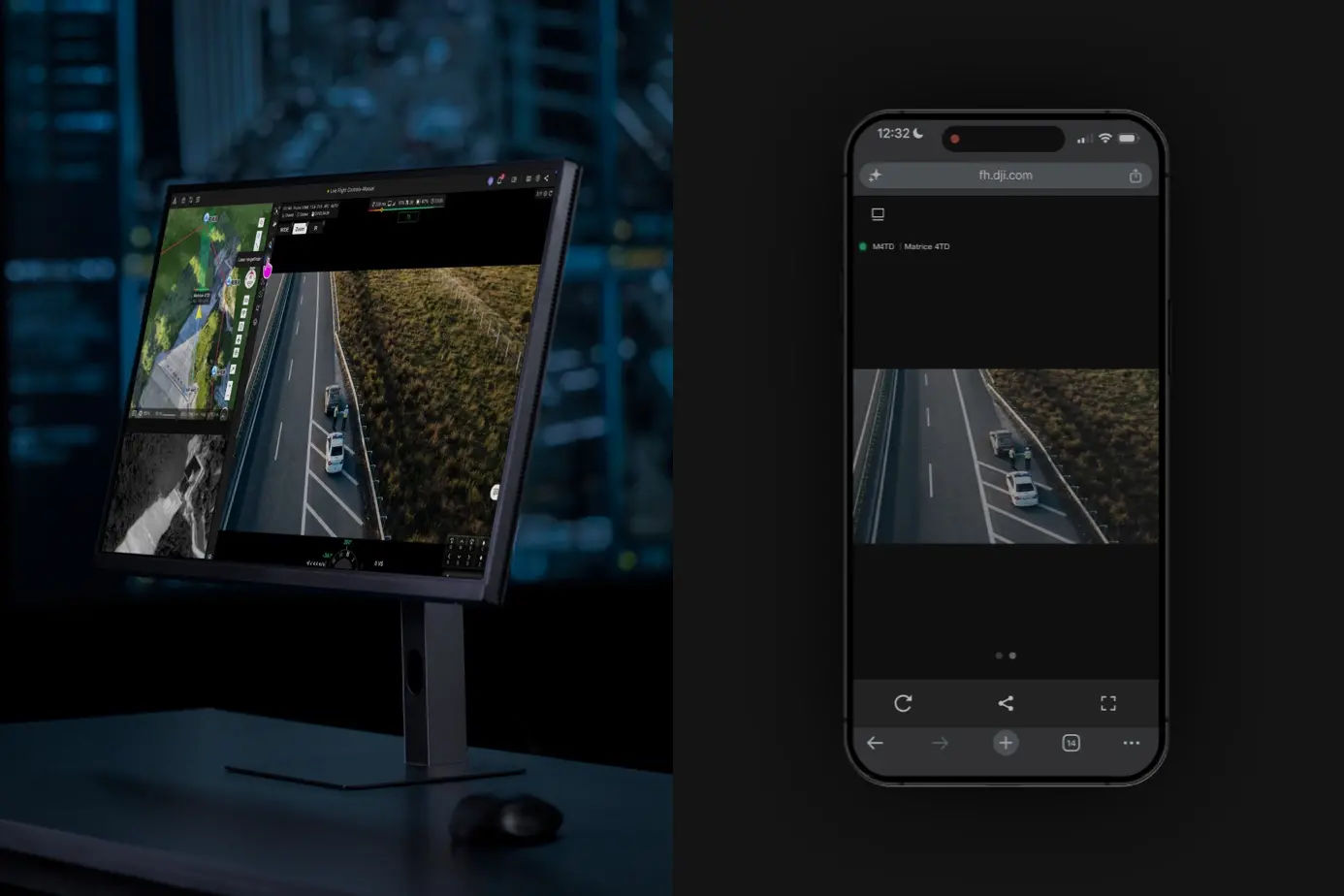
For several years, enterprise drone systems functioned primarily as reactive tools. Handled directly by on-site crews, they required manual setup and pilot navigation for each deployment. However, a progressive paradigm shift—known as Dock as First Responder (DFR)—is transforming aerial units into continuous, self-sufficient emergency response nodes. Permanently housed on-site, these systems automatically deploy the instant an incident occurs, securing critical data before ground units can travel to the scene.
What is DFR and How Does it Differ from Legacy Methods?
In traditional "Drone as First Responder" frameworks, operations still relied on human intervention to power on, configure, and pilot the aircraft upon receiving an alert. Under the DFR design, drones are pre-positioned inside heavy-duty, weather-resistant docks at strategic installations. When integrated alarms, IoT sensors, or emergency dispatch systems send a trigger, the centralized flight platform immediately commands the nearest dock to deploy. This bypasses the dispatch lag to deliver critical live footage during those vital first moments.
Three Core Benefits of the Dock as First Responder Framework
1. Accelerated On-Scene Visual Intelligence
By removing manual pilot setup times, automated docks launch drones within seconds of a critical trigger. Low-latency, high-definition streams are piped directly to incident commanders. This rapid deployment provides valuable insight into fire progression, physical hazards, or security breaches before any personnel arrive on-site.
2. Advanced Safety Profiling Prior to Team Entry
Rather than entering hazardous areas blindly, emergency teams approach with prior knowledge of the environment. Live aerial telemetry maps thermal signatures, identifies structural risks, and highlights exit paths, minimizing personal danger for incoming responders.
3. Dynamic and Efficient Resource Allocation
A continuous overhead viewpoint prevents excessive resource deployment. Dispatch teams can quickly assess false alarms, coordinate exact water drop points for fire crews, or guide specific rescue vehicles to precise coordinates, maximizing localized fleet and human resource utility.
The Infrastructure Pillars: DJI Dock 3 and FlightHub 2
To establish DFR as a dependable, long-term asset rather than a temporary setup, an integrated hardware and software solution is essential:
- DJI Dock 3: Engineered for continuous year-round operation in extreme climates, featuring an IP56 protection rating. It operates reliably in temperatures ranging from -30°C to 50°C, ensuring constant deployment readiness regardless of weather.
- DJI FlightHub 2: Serving as the operational core, it aggregates alarms, feeds, and geofencing. Using Event APIs, RTSP media streaming, and Auto Dispatch features, FlightHub 2 syncs the DFR system with existing computer-aided dispatch (CAD) software.
To meet strict organizational compliance and data security requirements, FlightHub 2 supports versatile server deployments. This ranges from compact, isolated environments to secure on-premises server setups, keeping all recorded footage, metadata, and logs strictly protected on private networks.
The Closed-Loop DFR Operational Process
A typical autonomous DFR mission operates through a structured sequence:
- Trigger & Auto-Dispatch: An alarm or API sensor triggers an alert. FlightHub 2 calculates the incident coordinates, identifies the nearest dock, prepares the flight path, and initiates launch sequence parameters in seconds.
- Simultaneous Data Distribution: The drone streams live footage through modern WebRTC or RTSP pathways. The video is shared across multiple terminals—command centers, on-field tablets via QR shares, and remote monitors—ensuring complete alignment.
- Adaptive Telemetry & AI Control: The drone navigates autonomously using digital elevation models. While in flight, the operator can manually override gimbal movements or adjust paths to monitor specific targets.
- Post-Mission Archiving: Following autonomous recovery, FlightHub 2 logs all telemetry, flight profiles, thermal data, and video records, generating a comprehensive, auditable event file for future review.
Broadening Applications Beyond Emergency Services
The utility of automated DFR nodes extends far beyond conventional public safety calls. Modern smart city networks and commercial operators utilize these systems for regular facility security sweeps, high-voltage grid checks, critical infrastructure monitoring, transport hub surveillance, and ecological surveys. A unified dock network easily manages both reactive emergency flights and scheduled patrols under a single interface.
Strategic Value for Regional Enterprise Operations
For organizations looking to improve dispatch speed and field precision, DFR technology offers a clear blueprint. It minimizes situational uncertainty, provides actionable data before teams reach the scene, and generates secure, searchable flight histories—essential assets for optimizing modern industrial and security operations.